Cleanliness in Dairy plants
Cleanliness in dairy plants is critical for preventing microbial contamination and ensuring product safety, requiring regular, multi-step cleaning and sanitization of equipment, facilities, and staff. This includes daily rinsing and washing with specific alkaline and acid-based solutions, and periodic, thorough cleaning of all processing areas and bulk tanks using methods like Clean-In-Place (CIP) systems or manual disassembly, according to a strict sanitation schedule and Standard Operating Procedures (SOPs).
Key cleaning practices
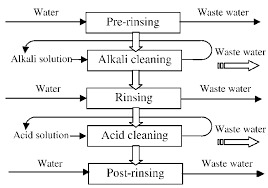
Pre-rinse : A cold water rinse is necessary after each use to remove milk residues.
Washing : Use appropriate cleaning solutions.
Alkaline wash : Typically a caustic solution like sodium hydroxide is used, often at least twice a week and followed by an acid rinse.
Acid wash : Used regularly, for example, after every milking, to remove mineral build up and is often followed by a cold water rinse.
Hot wash : Must be carried out at least once a week using a hot caustic solution.
Sanitization : Apply chemical sanitizers, like chlorine-based solutions, at the recommended concentration for a specific contact time to kill bacteria before the next use.
Rinsing and draining : After washing and sanitizing, thoroughly rinse all equipment with water and ensure it is properly drained.
Facility and equipment cleaning
Milking parlours : Must be cleaned and disinfected at least twice daily, with surfaces regularly wiped down.
Bulk tanks : Large tanks can be cleaned manually or with automated CIP systems, but a cold water rinse must precede and follow the washing solution.
CIP systems : These automated systems clean equipment in place and are used for tanks, pipes, and other large processing equipment, ensuring thorough cleaning while minimizing employee exposure to chemicals.
Manual cleaning : For equipment that cannot be cleaned via CIP, it must be disassembled, cleaned with specific tools (e.g., color-coded brushes), and thoroughly washed, rinsed, and visually inspected before reassembly.
Staff and environment
Personnel : Train staff on proper hygiene protocols, cleaning procedures, and the use of appropriate Personal Protective Equipment (PPE) to avoid contamination and injury.
Animal hygiene : Ensure cows' udders are clean before milking using approved products.
General facility hygiene : Maintain clean housing, bedding, and ventilation for the animals to prevent dirt and bacteria from entering the milk supply.
Important considerations
Water quality : Monitor the quality of water used for cleaning and drinking to ensure it is free from contaminants.
Cleaning agents : Use only approved cleaning and sanitizing chemicals that have the correct concentration and application temperature, as specified by the manufacturer.
Documentation : Keep thorough records of all cleaning and sanitation activities as required for food safety compliance.